Cart
0

Why Your Gut Is Like a "Tennis Net"
Imagine your intestinal lining is a fine mesh net, much like a tea strainer. Its primary role is to allow tiny, beneficial particles (digested nutrients) to pass into your bloodstream while keeping larger, unwanted elements out. This is your natural barrier function.
When this lining faces the daily demands of a modern lifestyle, maintaining that "tight mesh" becomes a priority for overall wellbeing. If the barrier isn't properly nourished, your system can become more reactive to the foods you love, leading to occasional bloating and a loss of digestive comfort.
The Structural Support Strategy
If you want a house to stand strong, you ensure the mortar between the bricks is well-maintained. Bone broth acts as nature’s structural support for the gut.
When you enjoy a warm cup of Collanature, the naturally occurring gelatin provides a comforting coating for the intestinal wall. Rich in specific amino acids like Glutamine and Glycine, it provides the direct nourishment the cells of your gut lining need to maintain their "tight junctions." This effectively supports the integrity of the mesh, helping to maintain your body's natural internal barrier.
Glutamine: The Fuel for Your Gut Cells
Your digestive cells have a high demand for one specific nutrient: L-Glutamine. While your muscles utilize various energy sources, your intestinal lining relies heavily on Glutamine to maintain its normal function.
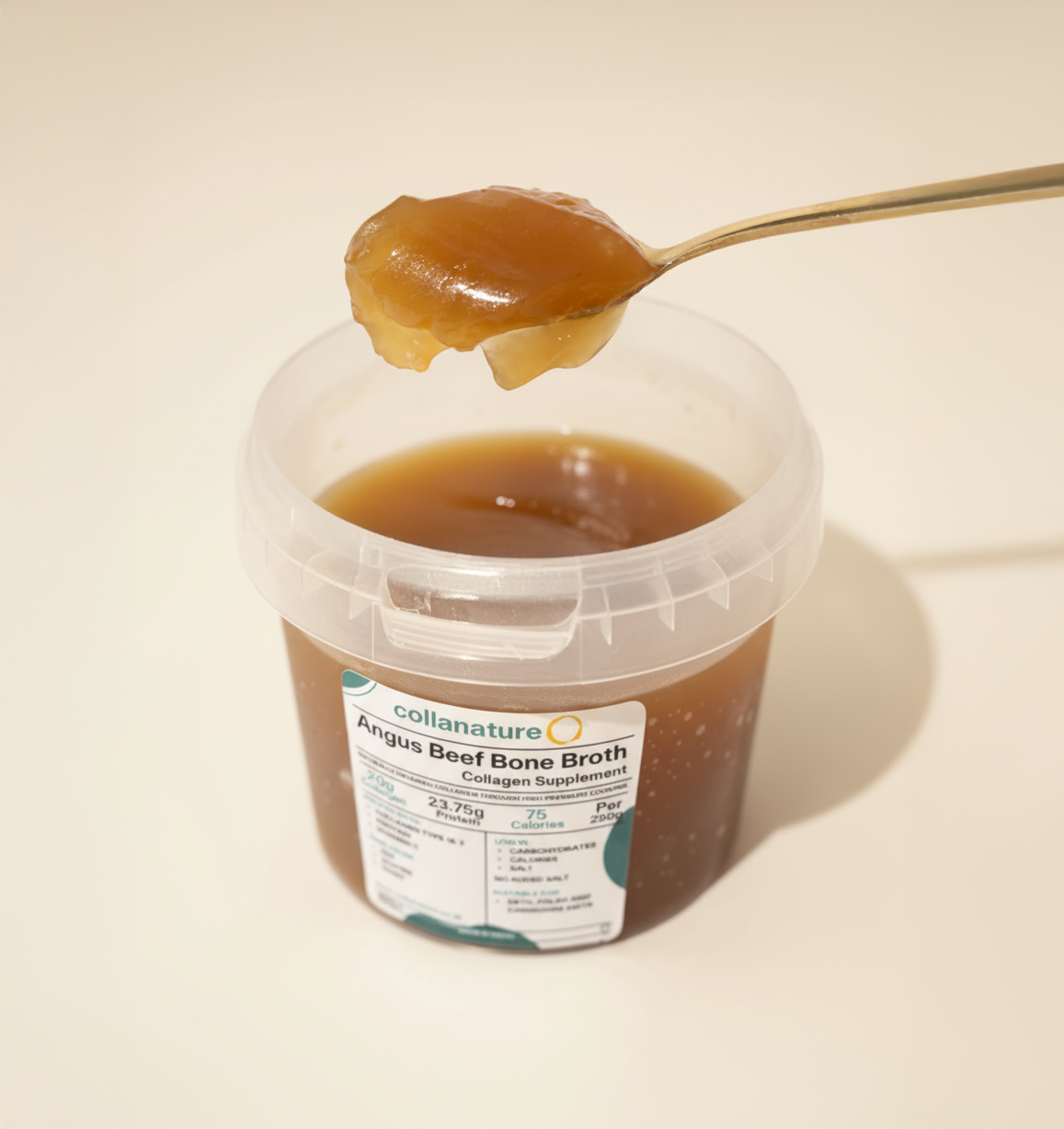
Collanature Angus Bone Broth is a natural, whole-food source of this critical amino acid. Unlike synthetic powders, the Glutamine in our broth is delivered within a natural protein matrix, making it exceptionally gentle and bioavailable. It "feeds" the lining, supporting the maintenance of a robust mucosal barrier.
The Soothing Benefit of Gelatin
If you are looking for general sensitivity support or simply want to maintain digestive ease, texture and temperature matter. Gelatin is hydrophilic (water-loving), meaning it holds moisture and forms a soothing, protective layer.
When consumed warm, it provides a gentle, liquid coating for the digestive tract, acting as a source of comfort for your system. This is why bone broth is a traditional staple for those who prioritize a delicate, non-irritating diet: it is chemically simple and physically comforting.
Why "Clean" Matters for Sensitive Systems
When your gut barrier needs nutritional support, your system can become more reactive to modern additives. Many commercial "health shakes" can be counterproductive, as they are often loaded with artificial sweeteners and emulsifiers that can disrupt the delicate balance of the gut.
Collanature Pure contains only 100% bone extract. It is free from the triggers that often affect sensitive digestions:
- No Onions or Garlic
- No Yeast Extracts
- No Emulsifiers or Artificial Sweeteners
Our UK formulation delivers 20,000mg of Collagen and is enriched with CamuCamu (Vitamin C), which contributes to normal collagen formation for the normal function of the digestive system's connective tissues.
Frequently Asked Questions
1. Can bone broth help with digestive sensitivity?
Many of our customers use bone broth as a daily staple. It is generally well-tolerated because it is low in fibre but high in protein, allowing the digestive tract to receive essential nourishment without heavy lifting.
2. How long does it take to support the gut lining?
The cells of the gut lining turn over naturally every few days. However, maintaining full structural integrity is a long-term project. We recommend a consistent daily habit for at least 30 days to feel the full nutritional benefits of improved comfort.
3. Is it Low FODMAP?
Our "Pure" version is safe for those following Low FODMAP protocols because it contains no onion or garlic fibres. We always recommend starting with a small serving to ensure it aligns with your individual tolerance.
4. When is the best time to drink it?
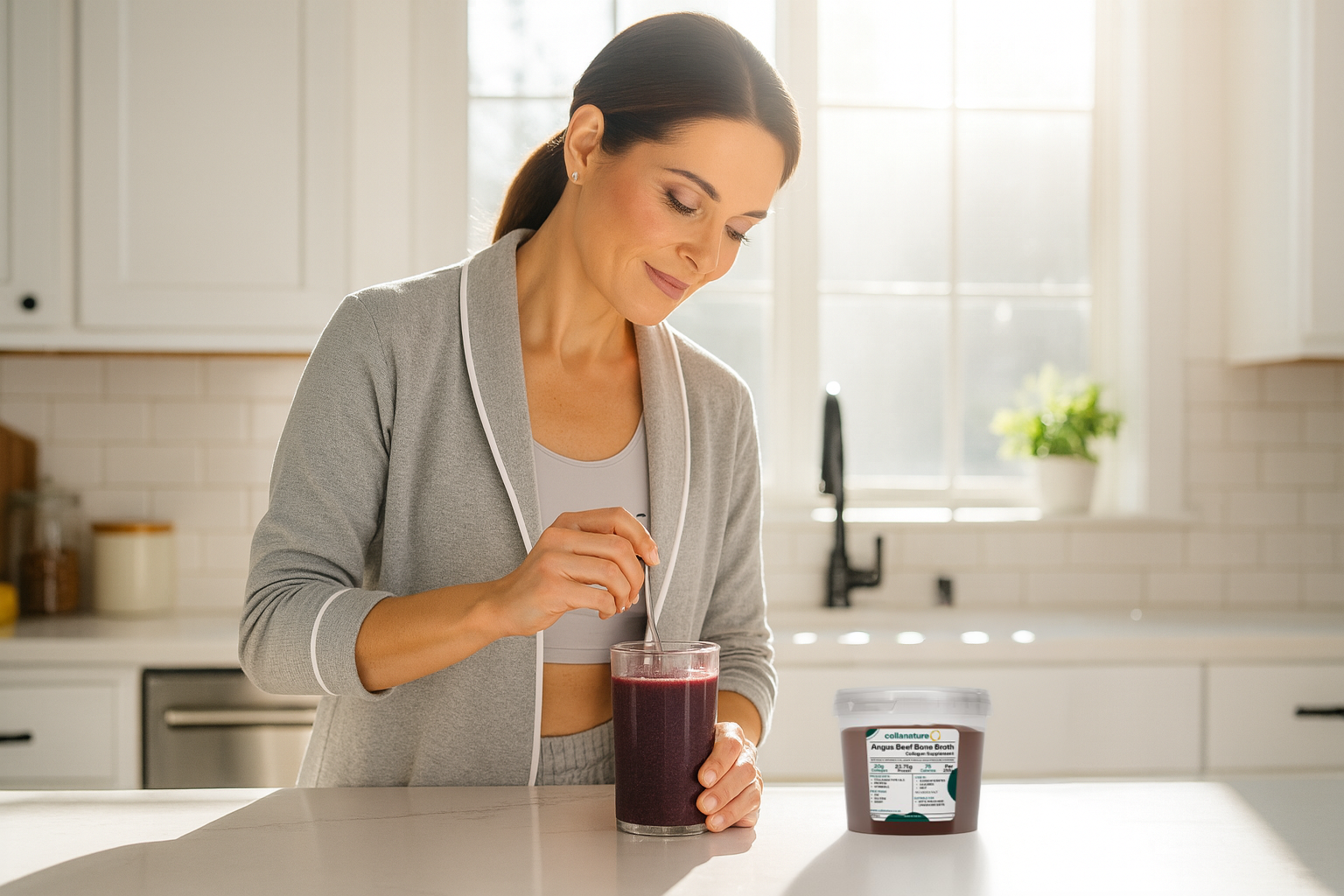
For digestive support, many prefer drinking it first thing in the morning. This allows the gelatin to coat the system before you introduce other foods throughout the day.
5. Why do I feel more comfortable when I drink it?
It simplifies the "digestive workload." Because the collagen protein is naturally broken down during our patient 48-hour simmer, your system doesn't have to work as hard to access the nutrients, providing a sense of ease.
Final Thoughts
You are not just what you eat; you are what you absorb. By supporting the integrity of your gut lining with real food, you ensure your body’s natural barrier remains strong and your digestion stays comfortable.
👉 Shop here: Choose Real Food: Shop Collanature Concentrate.


Recent Post