Cart
0

1. The Stretch Challenge: Skin Resilience
As your baby grows, your skin is asked to perform a miraculous feat of expansion. While genetics play a large role in the appearance of stretch marks, nutrition dictates the resilience of the skin. Collagen is the protein responsible for skin elasticity, allowing the dermis to stretch with greater ease.
During pregnancy, your body’s demand for amino acids increases significantly to build the baby's skin and structural foundation. If your diet is low in collagen, your body may prioritize the baby’s needs, leaving your own skin less supported. Drinking Angus Bone Broth provides the raw materials, specifically Glycine and Proline, to maintain the structural integrity of your expanding bump from the inside out.
More Than Just Creams: Many mums-to-be diligently use topical oils. While this keeps the surface hydrated, it cannot strengthen the deep dermis where the structural changes actually occur. Internal nutrition is the most effective way to feed the collagen matrix deep within the skin layers.
2. Maintaining Stability and Joint Comfort
During pregnancy, your body releases a hormone called Relaxin. Its job is to soften the ligaments in the pelvis to prepare for birth. However, Relaxin affects all your joints, often leading to instability and pelvic joint discomfort.
While you cannot stop the natural release of hormones, you can support your connective tissues. Consuming collagen and gelatin provides the structural proteins needed to maintain the strength of the ligaments holding your joints together. Think of it as reinforcing the support ropes of a tent while the ground is shifting. This provides stability and comfort during the later stages of pregnancy.
3. The Fourth Trimester: Postpartum Support
In many traditional cultures, the first 40 days after birth are dedicated to warm, nourishing soups. The Fourth Trimester is a critical window for recovery. Whether you had a vaginal birth or a C-section, your body has profound structural maintenance to perform.
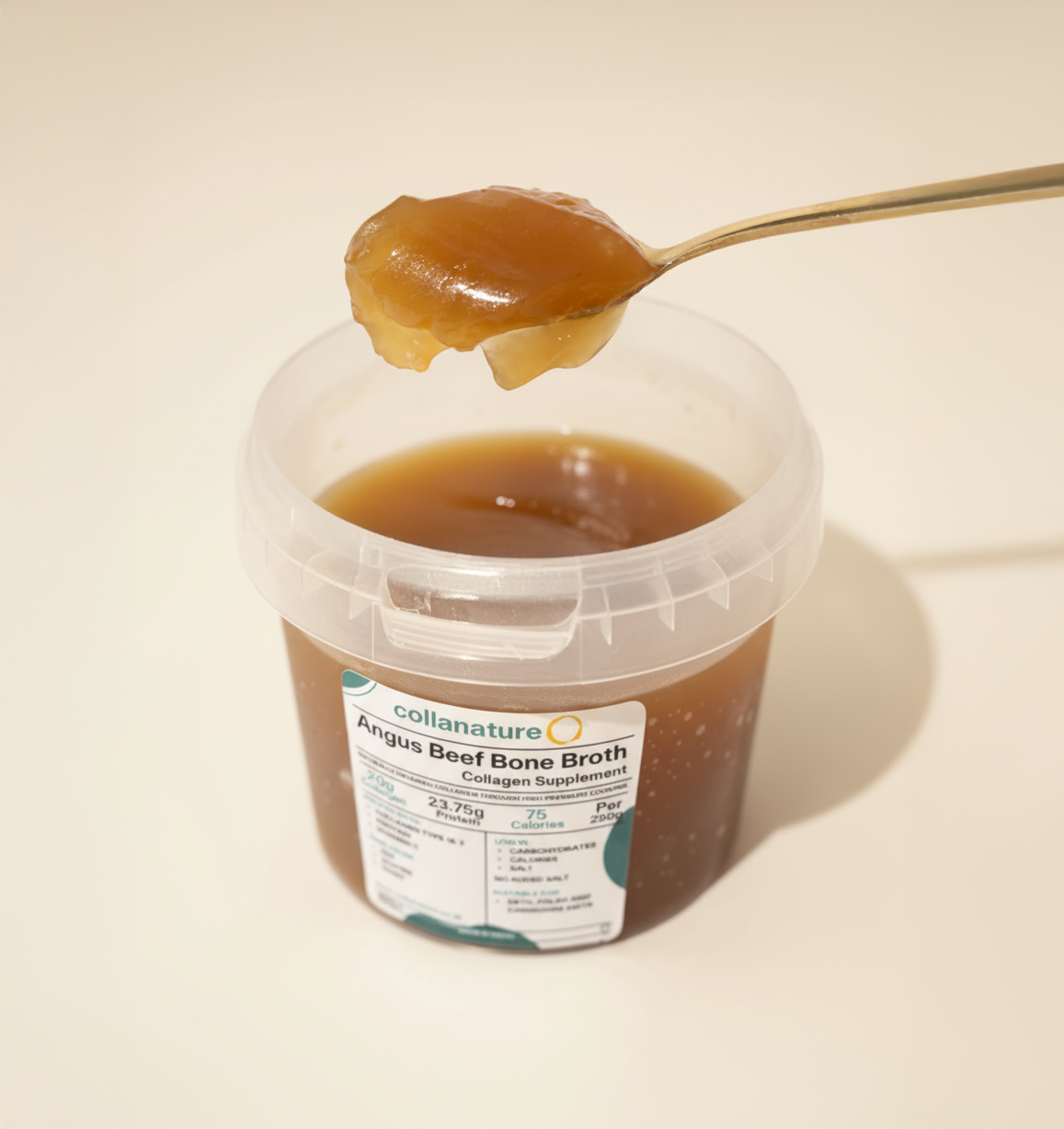
Bone Broth Concentrate is the ideal postpartum food because:
- It requires zero effort: Just add hot water, which is essential when you are exhausted.
- It supports recovery: High protein intake contributes to the maintenance of abdominal muscles and the uterus.
- It replenishes minerals: Restores essential nutrients lost during the birth process.
4. Breastfeeding and Nutrient Density
Breastfeeding is energetically expensive, burning roughly 500 calories a day and depleting the mother's nutrient stores. Bone broth acts as a nutrient-dense insurance policy for breastfeeding mums.
The healthy fats from the bone marrow and the natural electrolytes support hydration and milk quality. Furthermore, because it is rich in protein but low in sugar, it provides sustained energy for those 3 AM feeds without the sugar crash that often comes from convenience snacks.
5. Frequently Asked Questions
1. Is it safe during pregnancy?
Yes. Bone broth is a natural food, not a synthetic supplement. It is widely recommended by nutritionists for its mineral content. However, we always suggest the Pure Unsalted version to help manage hydration without unnecessary water retention.
2. Can it help with cognitive focus?
The feeling of being overwhelmed after birth is often exacerbated by nutrient depletion. The amino acid Glycine in bone broth helps support sleep quality, even in short bursts, which in turn supports natural cognitive function.
3. Is it safe for the baby via milk?
Absolutely. The nutrients you absorb are passed to the baby through your milk. The amino acids and healthy fats contribute to the baby’s own natural growth and development. It is a gentle way to nourish both of you.
4. Does it support postpartum hair health?
Yes. As the body transitions after birth, many women notice changes in hair density. High protein intake is excellent support during this time. Providing the follicles with collagen peptides can support the maintenance of healthy hair growth.
5. I am experiencing nausea. Can I drink it?
Many women find that in the first trimester, savoury fluids are easier to tolerate than solids. Sipping a warm, mild bone broth can help support digestive comfort and maintain hydration when you cannot face a full meal.
Final Thoughts
You spend nine months growing a baby; do not forget to nourish the mother. By prioritizing your nutrition with restorative food, you ensure you have the strength and resilience to enjoy the journey ahead.
👉 Shop here: Shop Collanature: Support Your Postpartum Recovery.


Recent Post