Cart
0

1. Why Can’t I Eat Bread Anymore?
It is a common story. You have eaten dairy, gluten, or eggs your whole life with no issues. Then, suddenly, in your 30s or 40s, a cheese sandwich leaves you feeling bloated, tired, and foggy. You might assume you have developed a permanent allergy. However, adult-onset food sensitivities are often a symptom of a compromised gut barrier, not a permanent change in your biology. When the intestinal lining becomes less effective, undigested food particles can interact with your system in ways they shouldn't. Your body identifies these as foreign and launches a response, leading to discomfort every time you eat that specific food.
The "Overwhelmed Bouncer" Analogy: Think of your gut lining as the security guard (bouncer) at a club. Its job is to check every nutrient before letting it into the VIP area (your bloodstream). If the bouncer is tired or overworked due to lifestyle stress, they might start letting "troublemakers" in. Your immune system is the security team inside. They start responding to the troublemakers (the food). The food isn't necessarily bad, but it wasn't supposed to get in that way. Nourishing the barrier puts the bouncer back on duty, helping you maintain a more comfortable relationship with your favorite foods.
2. The Role of Bone Broth in a Nutritional Reset
The gold standard for identifying sensitivities is a "Nutritional Reset" or elimination protocol. This involves removing potential triggers for a period of time to allow the system to calm, then reintroducing them slowly. Bone Broth is the anchor of this approach. While you remove the irritants, you must actively provide the gut lining with the nutrients required for its maintenance.
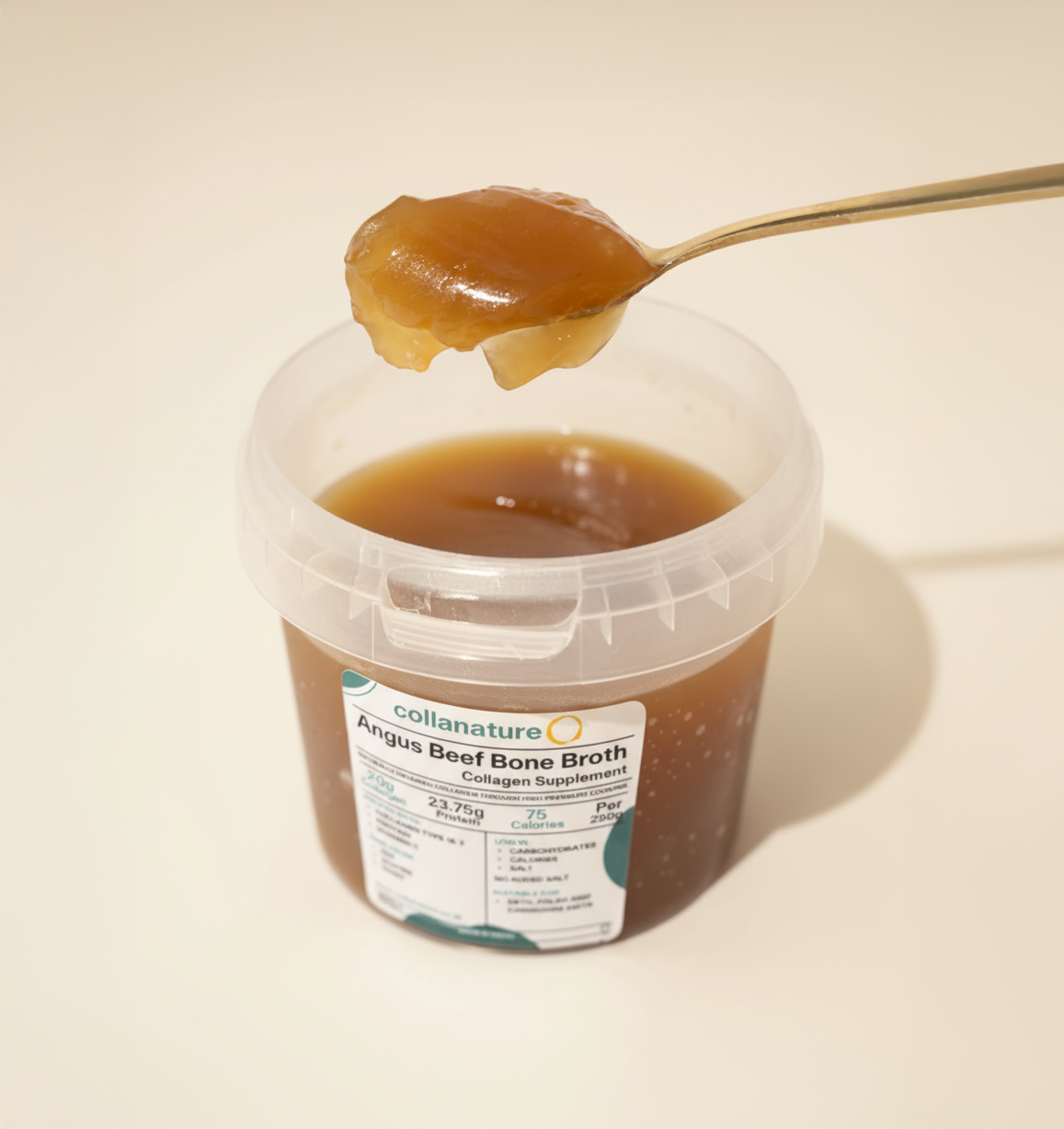
Drinking Collanature Angus Bone Broth daily provides the Amino Acids, such as Glutamine and Glycine, required to support the integrity of the junctions between cells. It is naturally free from common allergens like dairy, soy, and gluten, making it a safe source of nourishment while your system finds its balance.
3. Fasting and "Gut Rest"
Sometimes, the best approach is simply giving your digestion a break. Intermittent Fasting (for example, eating only within an 8-hour window) allows the gut to focus on natural maintenance rather than constant digestion. Bone broth is the ultimate partner for this. Because it contains protein but zero carbohydrates, sipping a cup of unsalted broth during your resting window can curb hunger without triggering a significant spike in blood sugar. It keeps you hydrated and nourished while allowing your digestive system to remain in a state of rest.
4. Sensitivity vs. Functional Deficiency
It is helpful to distinguish between a barrier issue and a functional deficiency.
- Functional Deficiency: This occurs when you lack the specific enzymes required to break down certain elements, like milk sugar. This is often related to genetics or age. Bone broth won't change your enzymes, but it can soothe the resulting bloating.
- Barrier Issues: This is when you react to proteins entering the system because the barrier is less robust. This is where nutritional support can make a real difference in maintaining tolerance over time.
5. Frequently Asked Questions
1. If I drink broth, can I enjoy my favorite foods again?
The goal is to support the gut barrier until it is robust enough to handle a wider variety of foods without a negative response. This usually requires a consistent period of nutritional support alongside collagen-rich foods.
2. Is this the same as a life-long food allergy?
No. Immediate, life-threatening allergies are different from nutritional sensitivities. Sensitivities are often delayed, causing bloating or fatigue hours or even days later, and are much more closely linked to the state of your gut barrier.
3. Does broth interrupt a fast?
Technically, it contains protein, which has calories. However, for those seeking "Gut Rest," it is widely used because it does not cause a heavy digestive load. It is a popular way to stay nourished during a fasting period.
4. Why do I feel sensitive to almost everything I eat?
This is often a sign that the gut barrier needs significant support. When the barrier function is low, the system can become hyper-reactive. A period of eating very simple, cooked foods (like soups, stews, and broth) is often recommended to lower the internal "alarm" and support a return to comfort.
5. How much broth should I drink during a reset?
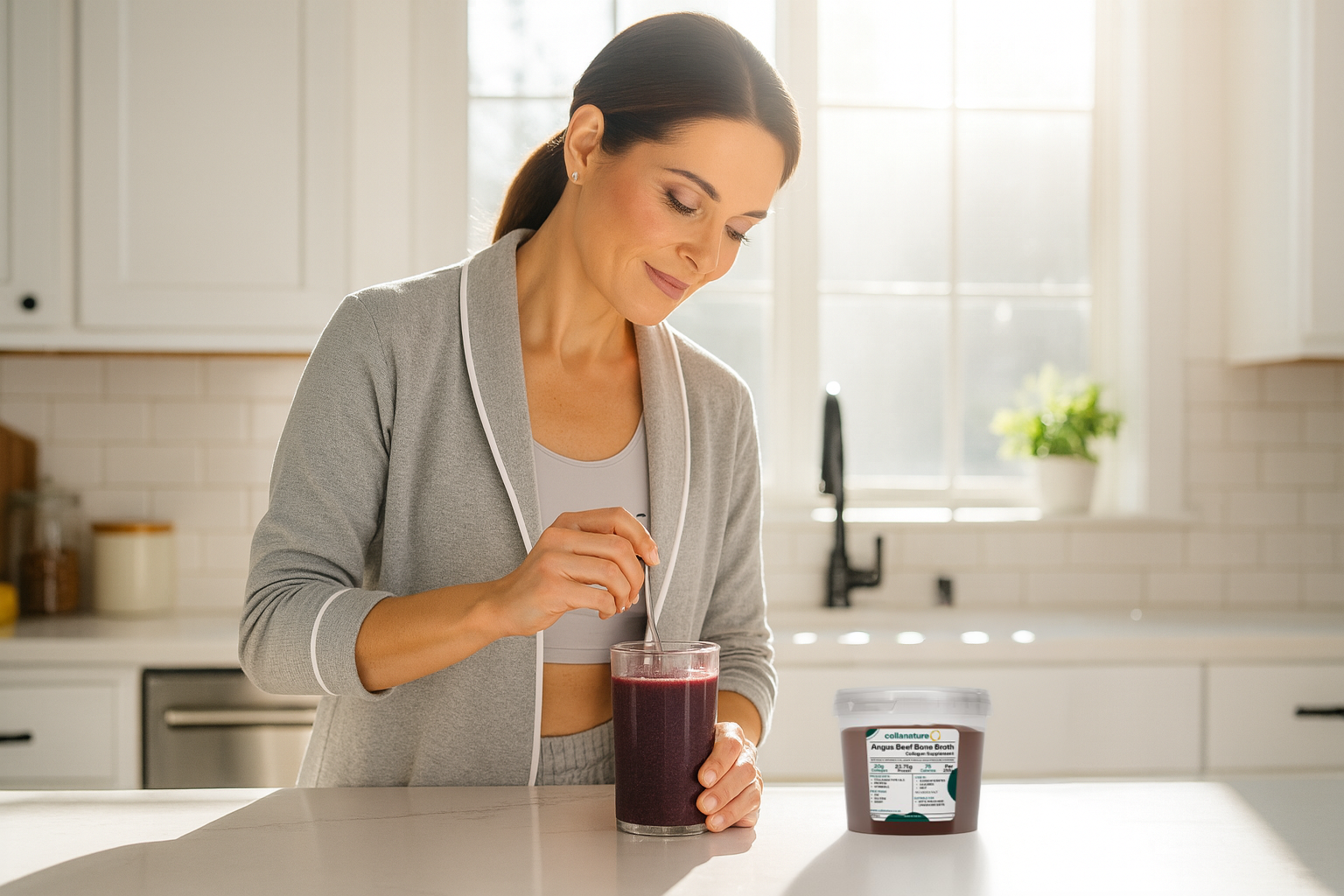
We recommend two cups per day. One in the morning to provide a coating for the lining, and one in the evening to support your system's natural maintenance processes overnight.
Final Thoughts
Losing your favorite foods doesn't have to be a permanent change. By shifting your focus from "avoiding triggers" to "supporting the barrier," you can often help your body welcome a wider variety of nutrients again.
👉 Shop here: Shop Collanature: Support Your Natural Gut Reset.


Recent Post