Cart
0

1. Why Do Ligaments Take So Long to Recover?
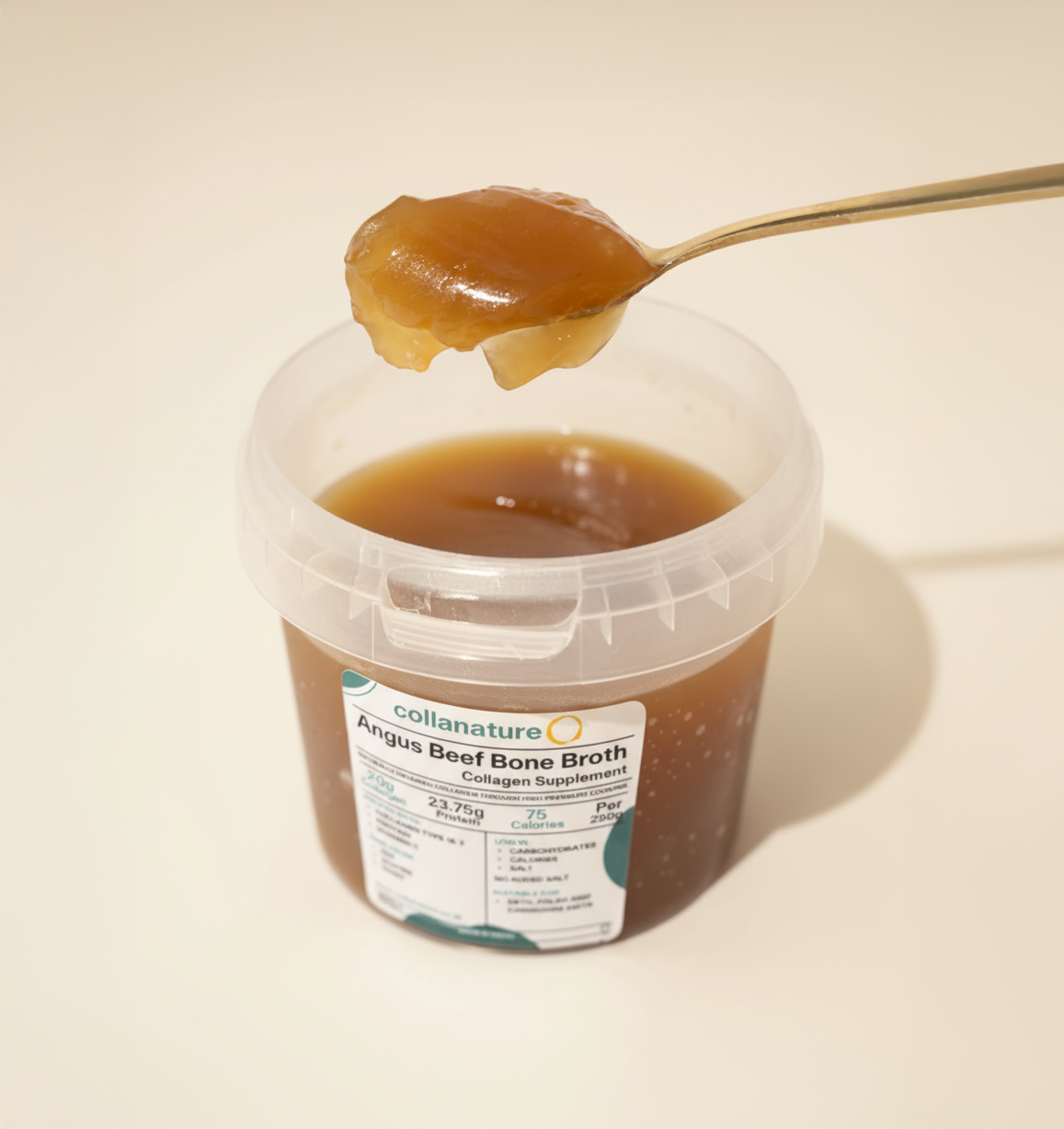
Have you ever wondered why you can tear a muscle and be back in the gym in two weeks, but a "tweak" to your knee meniscus or ankle ligament lingers for six months? The answer lies in the blood supply. Muscles are "Red Tissue"—they are rich in blood vessels that deliver oxygen and nutrients instantly. Ligaments, tendons, and the meniscus are "White Tissue" (avascular or hypovascular). They have very little direct blood supply. This means nutrients cannot simply "ride the bus" to the injury site; they must diffuse slowly through the matrix. Including a concentrated source of collagen-rich nutrition, such as an Angus Beef Bone Broth Collagen, can be helpful here because it provides a high concentration of specific amino acids that the body uses to support this slow repair process.
The "Country Lane" Analogy
Think of your circulatory system as a delivery network.
- Muscles: Served by a high-speed motorway. Delivery trucks (nutrients) arrive every minute.
- Ligaments/Meniscus: Served by a tiny, winding country lane that is often blocked. To get a delivery down that country lane, you need to send more trucks (high nutrient density) and ensure the road is open (movement). Relying on a standard diet often leaves these remote tissues short of the raw materials they need.
2. The Meniscus: The Silent Shock Absorber
The meniscus is a C-shaped piece of tough, rubbery cartilage that acts as a cushion between your shinbone and thighbone. It is made primarily of Type I collagen (fibrocartilage). Unlike the smooth cartilage on the end of bones (often rich in Type II), the meniscus is fibrous and durable, designed to withstand twisting forces. However, once damaged, its ability to self-repair is limited due to the lack of blood flow. Supporting the meniscus generally requires a two-pronged approach: working with your physiotherapist or specialist to avoid movements that overload it (such as deep, unsupported flexion) and providing the body with collagen-building amino acids (Glycine and Proline) to support the maintenance of the tissue matrix.
3. "Red" Nutrition vs. "White" Nutrition
Most sports nutrition is designed for Red Tissue. Whey protein, creatine, and steak are excellent for muscles. But White Tissue requires a different menu.
- Red Tissue needs: BCAAs (Leucine, Isoleucine, Valine).
- White Tissue needs: Glycine, Proline, Lysine. If you are recovering from a ligament strain (like an ACL issue) or meniscus wear, relying only on standard whey protein is less targeted. You are sending bricks to a site that needs cement. An Angus beef bone broth collagen contains a very similar amino acid profile to White Tissue because it is made from bones and connective tissue.
4. The "Sponge Mechanism": How to Feed the Tissue
Since there is little direct blood flow, you also rely on a mechanical pump. White tissue absorbs nutrients through "Imbibition"—a process similar to a sponge soaking up water.
- Compression: When you gently put weight on the joint, fluid is squeezed out.
- Release: When you lift the weight, fresh nutrient-rich fluid is drawn back in.
The idea is simple: first provide your body with collagen peptides and supportive nutrients, then use controlled movement (as advised by your physio) to "pump" the sponge. Many people like to take their bone broth 30–45 minutes before physio exercises or a gentle walk so that the synovial fluid surrounding the joint is rich in nutrients at the moment they start moving.
5. Frequently Asked Questions
1. Can nutrition heal a torn meniscus?
Nutrition cannot stitch back a fully torn piece of cartilage (a Grade 3 tear usually requires surgical assessment). However, nutrition acts as the "support team." It creates an optimal biological environment for the body to manage inflammation and maintain the integrity of the remaining tissue, alongside the treatment plan recommended by your healthcare professional.
2. Is this good for ACL recovery?
The Anterior Cruciate Ligament (ACL) is largely made of Type I collagen. Whether you are managing it conservatively or recovering from surgery, providing the body with high-quality collagen peptides can be a sensible part of a broader recovery plan. This should always complement, not replace, the guidance of your surgeon or physiotherapist.
3. Should I use heat or ice?
This is primarily a question for your physiotherapist or doctor. In general, heat tends to increase blood flow (vasodilation), which can help bring nutrients closer to the "country lane" entrance of the ligament, while ice is usually used to manage acute swelling. Your clinician will advise which is appropriate for your situation.
4. Why does my knee click?
As discussed in our "Creaky Knees" article, joint clicking can have many causes, from harmless pressure changes to rough surfaces or soft-tissue tightness. Keeping the joint well hydrated and supported with nutrients like Hyaluronic Acid — which occurs naturally in high-quality bone broth collagen — may help support smooth movement, but any painful or worsening click should be assessed by a professional.
5. How much should I take?
For soft tissue support, consistency is more important than short-term megadoses. Most people find that a daily serving of bone broth collagen, taken over several months, fits best with the slow turnover of White Tissue. Always follow the usage instructions on the Collanature Natural Bone Broth Collagen pack or product page, and adjust with your practitioner if you have specific medical needs.
Final Thoughts
Patience is the most important ingredient in ligament recovery. These tissues work on a different timeline to the rest of your body. Give them the respect — and the specific, collagen-rich nutrition — they need to regain their strength, alongside proper medical and physiotherapy support.


Recent Post